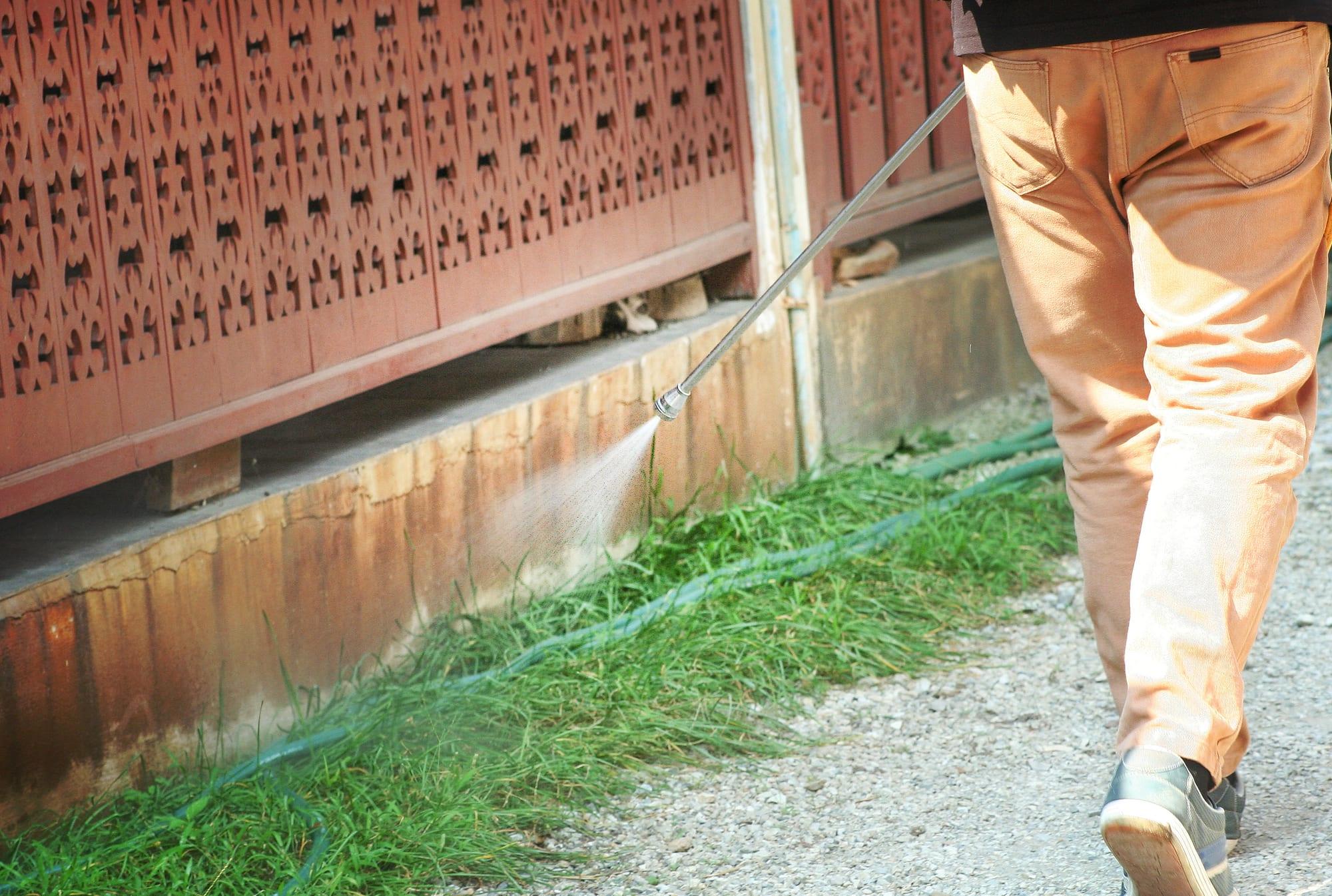
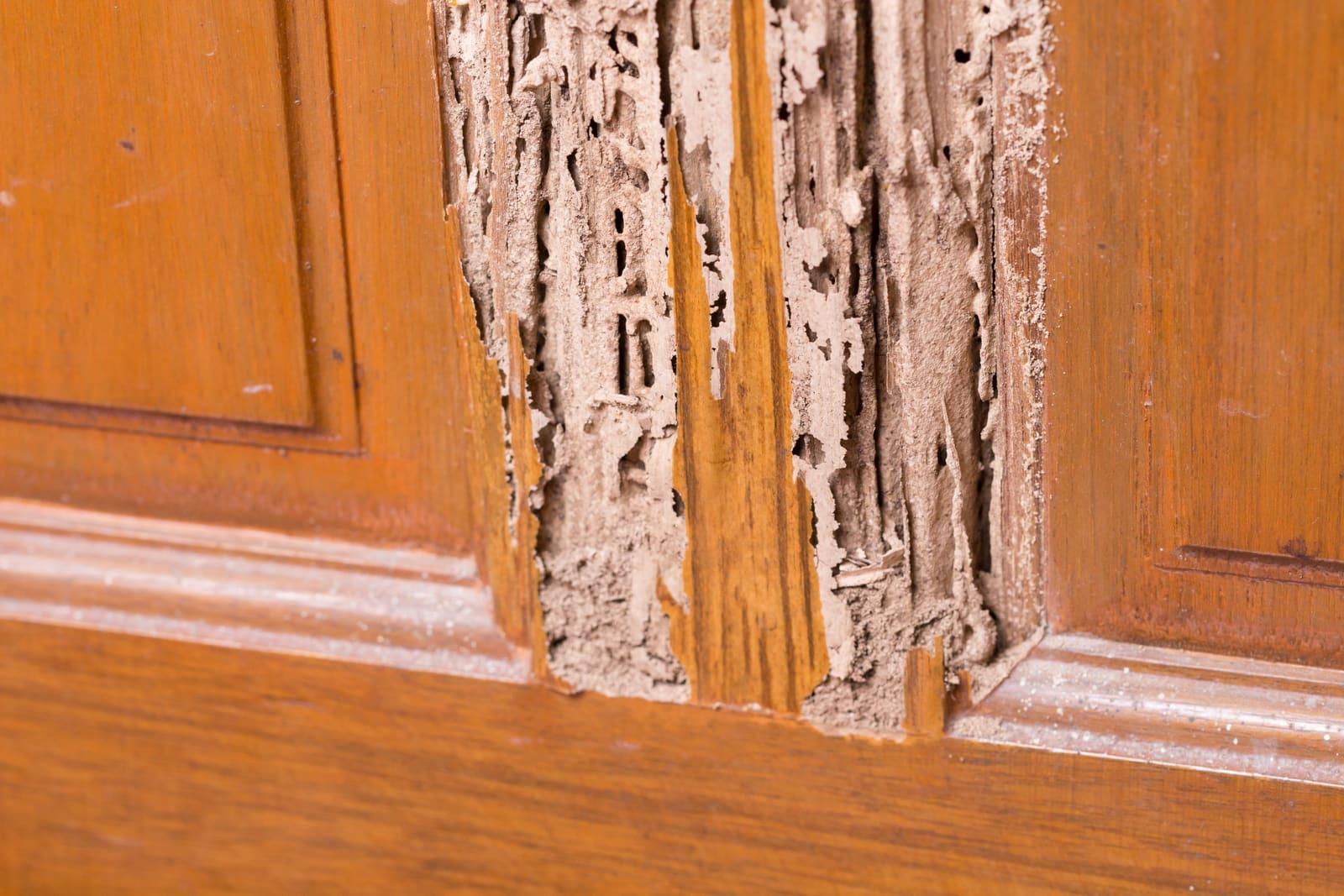
Termites are one of the few pests that can cause real structural damage without ever being seen, since subterranean colonies work inside walls, floor joists, and crawl space framing while staying hidden from daily view. Most homeowners find out about termites from a small clue rather than the insects themselves.
This guide covers what to look for around a North Alabama home and when it makes sense to call for a full inspection. For details on our termite inspections and treatments, visit our termite control service page.
Signs of termite activity to watch for
Mud tubes running up foundation walls, porch supports, or crawl space piers are one of the clearest signs of subterranean termite activity, since these tubes protect the termites as they travel between soil and wood.
Discarded wings near windowsills or doors, especially after a warm rain in spring, often point to a swarm event nearby. Wood that sounds hollow when tapped, or trim that gives way more easily than it should, are also worth a closer look.
Why North Alabama homes are at risk
Subterranean termites are established throughout Alabama, and our humid climate and clay heavy soil give colonies plenty of moisture to work with. Homes with wood to soil contact, poor crawl space ventilation, or wood mulch piled against the foundation face extra exposure.
Older homes and those with additions built at a slightly different grade level sometimes have hidden wood contact points that were never meant to be there, which can go unnoticed for years.
What happens during a termite inspection
A thorough inspection covers the foundation perimeter, crawl space, porch and deck supports, and interior areas prone to moisture, looking for mud tubes, damaged wood, and conditions that make termite activity more likely.
We explain what we find in plain terms, including whether it looks like active activity, old damage from a past issue, or simply a conducive condition worth correcting. If treatment is recommended, we walk through the approach and what to expect afterward.
Protecting your investment long term
Because termite damage develops slowly and out of sight, periodic inspections are one of the most useful ways to catch a problem before repair costs climb. This matters whether you have lived in your home for years or are buying a new one.
If you have noticed any of the signs above, or simply want peace of mind, request an inspection through our termite control page or call to talk through what you are seeing.
Need help with pests?
Tell us what you are seeing and we will follow up to set up an inspection.
Request ServiceCall (256) 642-9403Monday through Saturday, by appointment
Frequently asked questions
What is the first sign of termites most homeowners notice?
Mud tubes on a foundation wall or discarded swarmer wings near windows are the two most common first signs. Both are worth a professional inspection rather than a wait and see approach.
Can I treat termites myself?
Subterranean termite colonies are difficult to fully address with store bought products since the nest itself is usually underground and out of reach. A professional inspection gives a much clearer picture of what is actually happening.
How often should North Alabama homes be inspected for termites?
Many homeowners in our area benefit from a periodic inspection given the regional termite pressure, especially homes with crawl spaces or known moisture issues. We can recommend a schedule after seeing your property.